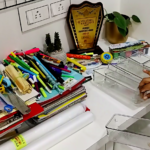
Decluttering is the process of removing unwanted and unused things from our lives. But before we begin decluttering, it’s important to understand what clutter really is.
Clutter is not just about a messy home. It can exist in many forms—physical, emotional, mental, digital, financial, time, relationship, and information clutter. Each type affects our peace of mind in different ways. Understanding these types of clutter is the first step toward creating a calm, organized, and intentional life.
In this blog post, let’s explore the main types of clutter, with simple examples and practical tips to deal with each one.
1. Physical Clutter
Physical clutter is the most visible type of clutter. It includes items you can see and touch—mainly related to our home, workplace, and everyday environment.
Examples
- Clothes you no longer wear
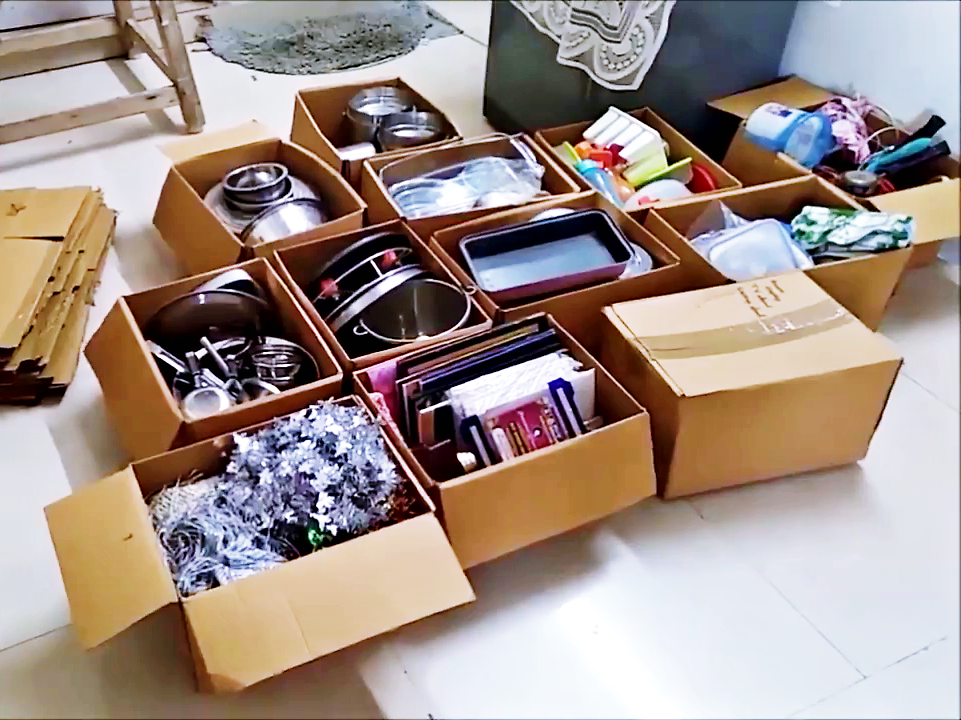
- Duplicate kitchen items
- Broken gadgets kept “just in case”
- Unused decor and gifts
Why it’s a problem
Physical clutter makes your home feel cramped, increases cleaning time, and creates visual noise.
In psychology, visual noise refers to excess or irrelevant visual stimuli that interfere with our ability to focus, think clearly, or feel calm. Our brain is constantly filtering information, and when there is too much visual input, it works harder—even without us realizing it.
Less visual input = less mental effort.
How to declutter
- Keep only what you use, need, or truly love
- Declutter category by category (clothes, books, kitchen, etc.)—the popular KonMari method follows this approach
- Many decluttering experts share different methods; I’ll cover them in a separate blog post
- I’ve also created a 26-page whole-house decluttering checklist based on my 3-year decluttering journey, available in the Vasanthi Shankar Digital Download Store
2. Emotional Clutter
Emotional clutter is tied to feelings, memories, guilt, fear, and emotional attachment.
Examples
- Keeping items out of guilt (gifts or expensive purchases)
- Holding onto things connected to past relationships or loved ones who have passed away
- Fear-based clutter: “What if I need this someday?”
Why it’s a problem
Emotional clutter keeps us stuck in the past and affects our mental peace. It is often closely linked to physical clutter.
On a personal note, my parents passed away when I was in my teens. I held onto almost all of their belongings for many years. Instead of comfort, it only created worry. When I finally let go and kept just a few meaningful items—like one saree and my mother’s spectacles—it made a huge difference.
Memories live within us, not in objects. If letting go feels hard, you can take photos of items before decluttering.
How to declutter
- Keep the memory, not the object
- Ask yourself: Does this support my current life?
- Give yourself permission to let go
3. Mental Clutter
Mental clutter is the overload of thoughts constantly running in your mind.
Examples
- Endless to-do lists in your head (also called the silent to-do list, a term mentioned by Fumio Sasaki in Goodbye, Things)
- Worrying about things you can’t control
- Overthinking decisions
Why it’s a problem
Mental clutter leads to stress, anxiety, poor focus, and decision fatigue.
How to declutter
- Write everything down (a brain dump)
- Prioritize tasks instead of trying to do everything
- Practice mindfulness or journaling—there are also journaling apps you can try
4. Digital Clutter
Digital clutter is often ignored, but it can be just as overwhelming as physical clutter.
Examples
- Thousands of unread emails
- Multiple email accounts causing confusion
- Unused apps on your phone
- Messy folders and duplicate files on your computer and mobile
- Too many photos and screenshots
Recently, when I tried emailing an updated home loan calculator to customers who bought it from my digital store, many emails bounced back because inboxes were full. Digital clutter is more common than we think.
Why it’s a problem
Digital clutter reduces productivity and increases distraction.
How to declutter
- Unsubscribe from unnecessary emails
- Delete unused apps and files
- Organize folders and photos regularly
- Turn off unnecessary notifications
- Unfollow accounts that don’t add value
5. Financial Clutter
Financial clutter refers to disorganized money habits and unnecessary financial complexity.
Examples
- Multiple unused bank accounts
- Too many debit and credit cards
- Forgotten subscriptions
- No clear understanding of income, expenses, or debt
Why it’s a problem
Financial clutter creates money stress and prevents wealth building.
How to declutter
- Track your income and expenses (budget sheets are available in my digital store)
- Cancel unused subscriptions
- Simplify bank accounts and investments
- Organize and file important financial documents (a home binder helps)
6. Schedule Clutter (Time Clutter)
Schedule clutter happens when your calendar is overloaded.
Examples
- Saying yes to everything
- Overbooked days with no rest
- Commitments that don’t align with your priorities
Why it’s a problem
Time clutter leads to burnout, stress, and imbalance.
How to declutter
- Learn to say no
- Leave buffer time between tasks
- Prioritize rest and personal time
- It’s okay to skip certain parties or functions—choosing rest is also a decision
7. Relationship Clutter
Relationship clutter refers to unhealthy, draining, or toxic relationships.
Examples
- Toxic friendships
- Obligatory relationships without mutual respect
- Constant negativity from certain people
I’ve personally experienced toxic friendships without realizing they were toxic. Letting go brought peace and clarity—no regrets, only relief.
Why it’s a problem
Relationship clutter drains emotional energy and affects self-worth.
How to declutter
- Set healthy boundaries
- Reduce contact where necessary
- Focus on meaningful relationships
- You don’t need 100 friends—just a few who truly support you
8. Information Clutter
Information clutter happens when we consume too much content without purpose.
Examples
- Endless social media scrolling
- Too many YouTube videos and news updates
- Saving content but never using it
- Constantly searching for recipe videos before cooking
Why it’s a problem
Information clutter causes decision fatigue and mental exhaustion.
How to declutter
- Limit social media usage
- Consume content intentionally
- Unfollow accounts that don’t add value
Final Thoughts
Decluttering is not just about removing things—it’s about making space for what truly matters. When you address all types of clutter—physical, mental, emotional, digital, financial, and beyond—you create a life that feels lighter, calmer, and more intentional.
Start small. Choose one type of clutter and take the first step today.
Less clutter. More clarity.
Vasanthi Shankar Digital download Store
Link – https://vasanthishankar.myinstamojo.com/
Vasanthi Shankar Amazon Store Front Link – https://www.amazon.in/shop/mrs.shankarsrecipes
Vasanthi Shankar WhatsApp Channel – https://www.whatsapp.com/channel/0029VaBNmt22v1IqxpnjLr2W
Things I use for filming my videos- https://amzn.to/4ausvPC