In a world where advertisements follow us everywhere and social media constantly tells us what to buy next, unnecessary shopping has become almost automatic. Minimalism is not about deprivation or living with nothing—it is about buying with intention and choosing what truly adds value to your life.
If you often regret purchases or feel overwhelmed by clutter, these minimalist rules will help you pause, rethink, and spend more mindfully—helping you save money and keep your home clutter-free.

1. The Pause Rule (24–72 Hours)
Before buying anything that is not essential, pause.
Our brain loves dopamine—a chemical linked to motivation and reward. Dopamine spikes not when we use something, but when we anticipate it. That is why browsing, adding items to the cart, and clicking “buy now” feels exciting.
Online shopping, sales notifications, and social media are designed to trigger these dopamine hits. The pleasure is short-lived, which is why the excitement fades quickly after delivery—and the urge to buy returns.
Minimalism helps break this cycle by slowing down the reward loop. By waiting and delaying purchases, we choose intentionality over impulse.
• Wait 24 hours for small purchases
• Wait 72 hours for expensive items
Most impulse buys lose their appeal once the initial excitement fades. If you still want the item after the waiting period, it is more likely a conscious choice.

2. The Purpose Test
This is a very simple question that we often forget to ask. After becoming a minimalist, I ask this question for everything I bring into my home.
Ask yourself:
• What problem does this solve?
• Do I already own something that does the same job?
If the item does not have a clear purpose in your daily life, it will eventually become clutter.
3. The One-In, One-Out Rule
This is a well-known minimalist rule. For every new item that enters your home, one similar item must leave.
This rule forces you to evaluate whether the new item is truly better or necessary, and it keeps clutter under control without constant decluttering.
4. The Cost-Per-Use Rule
Instead of looking only at the price tag, look at how often you will realistically use the item.
An item used regularly brings value, even if it costs more. An item used once or twice is expensive—no matter how cheap it was.
This rule is also popular in frugal living. It helps us choose better-quality products that last longer.
5. The No-Duplicate Rule
Avoid buying items you already own in a similar style, colour, or function.
I wish I had known this rule earlier. I used to buy the same patterned chudithar in multiple colours and plant many varieties of roses on my terrace. It became overwhelming to maintain and did not bring happiness. Today, with just three rose plants in my garden, I feel much calmer and happier.
Minimalism encourages using what you have fully instead of collecting variations that serve the same purpose.
6. The Shopping List Only Rule
Go shopping with a list and stick to it. This rule applies not only to groceries but to all kinds of shopping—clothes, vegetables, home items, and more.
If you see something tempting that is not on the list, write it down and revisit it after 30 days. Most items will no longer feel necessary.
7. The Emotion Check Rule
Before buying, pause and ask:
“Am I buying this because I need it—or because I am bored, stressed, sad, or comparing my life to others?”
Emotional shopping gives temporary relief but leads to long-term clutter and regret. Many of us experience stress shopping or boredom shopping. Becoming aware of our emotions helps us shop more intentionally.
8. The Space Rule
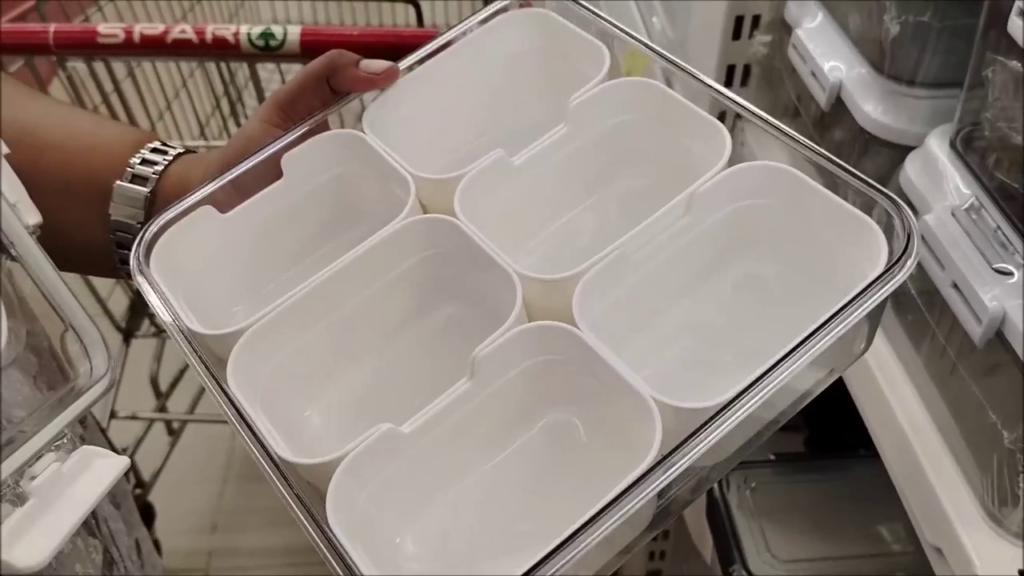
Every item needs a designated place in your home. Before buying anything, think about where you will store it.
If you do not know where it will live, it will likely float around your home and create clutter. Minimalism values space as much as possessions.
9. The No-Sale Trap Rule
A discount does not make an unnecessary item useful.
For example, if you buy something on offer for ₹100 instead of ₹150, you may feel you saved ₹50. But if you did not need the item in the first place, you did not save money—you simply lost ₹100.
10. The Replace, Don’t Add Rule
Buy new items only to:
• Replace something broken or worn out
• Upgrade something that truly needs upgrading
There is a big difference between need and want. Avoid adding items just because they are new or trending.
Final Thoughts
Minimalism is not about strict rules—it is about awareness. Each mindful decision reduces clutter, saves money, and creates more mental peace.
When you stop buying unnecessary things, you make room for what truly matters: time, freedom, and a calmer life.
Tracking and budgeting your expenses also play a powerful role in mindful spending. If you are looking for simple budgeting tools, check out Vasanthi Shankar’s digital download store for budget sheets available in both Excel and manual formats. Start with one rule today, and let simplicity slowly reshape your habits.
Vasanthi Shankar Digital download Store
Link – https://vasanthishankar.myinstamojo.com/
Vasanthi Shankar Amazon Store Front Link – https://www.amazon.in/shop/mrs.shankarsrecipes
Vasanthi Shankar WhatsApp Channel – https://www.whatsapp.com/channel/0029VaBNmt22v1IqxpnjLr2W
Things I use for filming my videos- https://amzn.to/4ausvPC