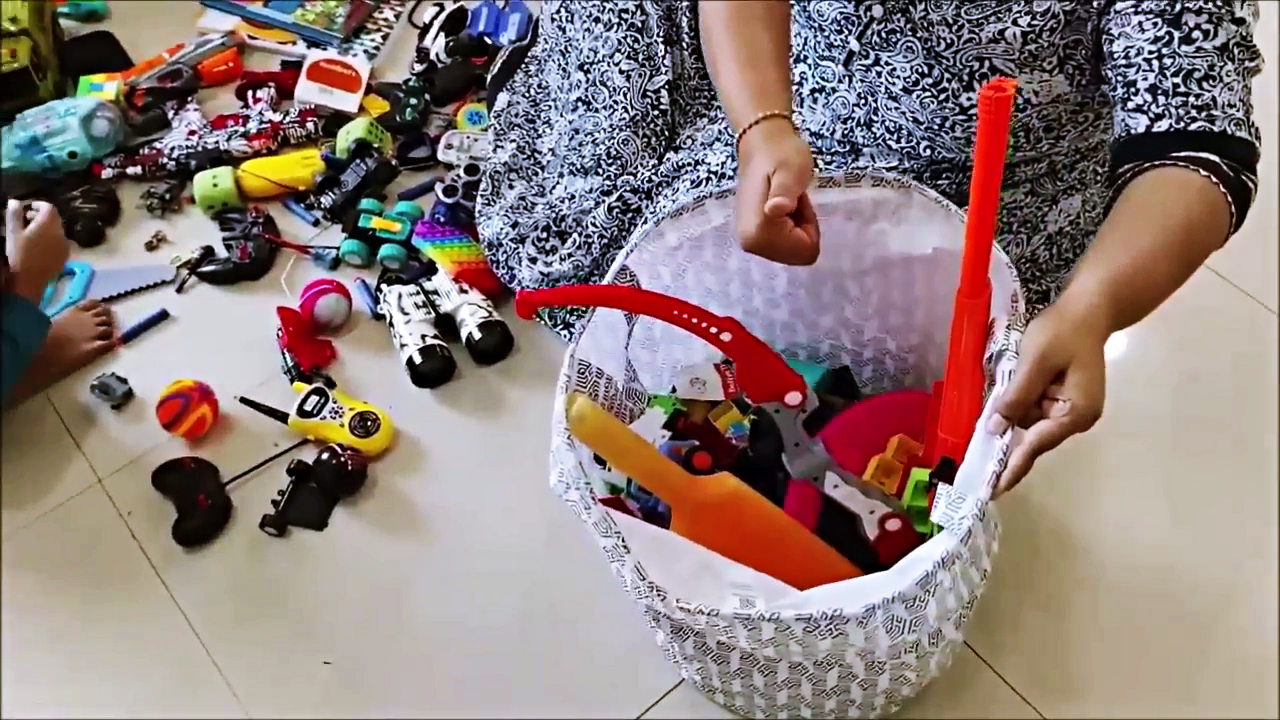
Decluttering is the process of removing things you don’t need and don’t use—from your home, your schedule, and even your mind.
It’s not about throwing everything away or living with nothing.
When you declutter, your home naturally stays organized, and tidying up becomes much easier.
Decluttering and minimalism go hand in hand, but you can declutter even if you are not a minimalist.
The first step to organization is always decluttering.
Many organizing experts on social media miss this important point.
From my own experience, I can say this clearly:
If you organize things you don’t use, your home will never stay organized. Every time you clean or tidy up, it will feel like a huge, exhausting task.
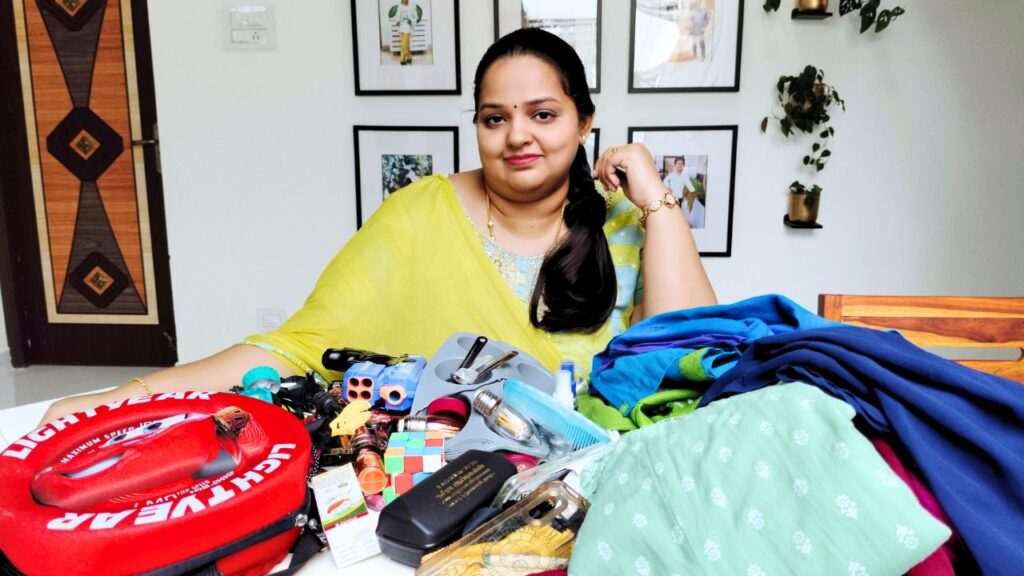
In Simple Words
Decluttering means making space for what truly matters.
What to Do with the Things You Declutter?
You have only three options:
- Trash it
- Donate it
- Sell it
For selling, I personally use OLX. But I suggest selling only items you paid a good amount for—say, above ₹5,000.
The truth is, no one values our things the way we do.
What is precious to us may not be valuable to others.
I also use old paper stores for very old items and papers.
One important reminder while decluttering:
Money spent is already spent.
Don’t feel guilty, because guilt will stop you from decluttering altogether.
Once your house is fully decluttered, you will clearly understand:
- What you truly need
- Where you made money mistakes by buying unnecessary things
Decluttering gives you a chance to learn, correct, and move forward.
Decluttering Is More Than Cleaning
Cleaning is about making things look neat.
Decluttering is about deciding what deserves a place in your home and life.
You can have a clean house and still feel overwhelmed.
Why?
Because clutter is not just mess—it’s excess.
Cleaning and maintaining excess stuff is exhausting.
Our things should serve us, not the other way around.
Always remember:
Less is more.
Decluttering asks one powerful question:
👉 “Do I really need this?” There is a huge difference between need and want.
What Counts as Clutter?
Clutter isn’t only broken or unused items. It can be:
- Clothes you don’t wear but keep “just in case”
- Gifts you feel guilty throwing away
- Papers you never look at
- Duplicate kitchen items
- Digital clutter like unused apps and emails
- Commitments that drain your energy
If something doesn’t support your current life, it is clutter.
👉 Check out my whole-house decluttering checklist to start your journey.
Why Do We Hold on to Clutter?
Most of us don’t keep clutter because we want to. We keep it because of:
- Emotional attachment
- Fear of wasting money
- “What if I need it someday?”
- Social pressure
- Sentimental value
- Simply because this is what we saw our parents do
Over time, clutter becomes ingrained in our lives.
We develop clutter blindness—we get so used to clutter that we don’t even notice it anymore.
Decluttering teaches us to choose peace over fear.
There are many benefits of decluttering, which I’ll share in my next blog post.
Decluttering Is a Lifestyle, Not a One-Time Task
Decluttering is not a weekend project—it’s a mindset.
It’s about:
- Buying less
- Being intentional
- Choosing quality over quantity
- Letting go regularly
As humans, we will always buy things—we have needs.
So we cannot completely stop things from entering our home.
That’s why decluttering also never stops.
Even removing the Amazon box your product came in is decluttering.
Decluttering is a journey, not a one-time task.
Over time, decluttering naturally leads to simple living and minimalism.
Final Thoughts
Decluttering is not about perfection.
It’s about progress.
Start small.
One drawer.
One shelf.
One decision at a time.
Because when you remove what doesn’t matter,
you make room for what truly does.