Minimalism is not about owning an empty house, throwing away everything you own, or living with only 10 things.
At its heart, minimalism is about intentionally choosing what deserves a place in your home and your life—and letting go of what doesn’t.
If your home feels cluttered, you spend too much money on things you don’t really need, or you constantly feel like you have too much to clean and organize, minimalism can help.
The good news is that you don’t have to change your entire lifestyle overnight.
You can start small, make thoughtful decisions, and gradually create a home that feels lighter, calmer, and easier to maintain.
What Is Minimalism?
Minimalism is a lifestyle focused on reducing unnecessary possessions, distractions, expenses, and commitments so you can focus on what genuinely matters to you.
It looks different for everyone.
For one person, minimalism might mean having a small wardrobe. For another, it might mean a clutter-free kitchen, fewer shopping trips, or simply refusing to buy things that don’t add value to their life.
Minimalism doesn’t mean:
- Living in an empty house
- Getting rid of everything you own
- Never buying anything
- Wearing the same clothes every day
- Following someone else’s minimalist lifestyle
- Giving up things you genuinely enjoy
Instead, minimalism asks a simple question:
“Does this add value to my life?”
If the answer is no, you can consider letting it go.
Why Should You Become a Minimalist?
There are many reasons people choose a minimalist lifestyle.
1. Less Clutter
The more things you own, the more things you have to maintain, clean, organize, and eventually replace.
Owning fewer unnecessary items can make your home easier to manage.
2. Less Cleaning
Every object in your home requires some amount of maintenance.
When you reduce unnecessary possessions, cleaning and organizing become much easier.
3. Save Money
Minimalism can naturally reduce unnecessary shopping.
Instead of constantly buying new clothes, gadgets, decorations, kitchen items, or beauty products, you become more intentional about what you bring into your home.
4. Less Decision Fatigue
Too many choices can become exhausting.
A simpler wardrobe, simpler routines, and an organized home can reduce the number of small decisions you need to make every day.
5. More Space
You don’t necessarily need a bigger house.
Sometimes you simply need less stuff occupying the space you already have.
6. More Time
Less stuff means less time spent cleaning, organizing, searching for things, maintaining things, and shopping for things.
That time can be spent on family, hobbies, health, work, or simply resting.
How to Become a Minimalist
You don’t need to declutter your entire house in one weekend.
In fact, trying to do everything at once can become overwhelming.
Instead, follow these simple steps.
1. Start With Your Why
Before you start throwing things away, ask yourself:
Why do I want to become a minimalist?
Maybe you want:
- A peaceful home
- Less cleaning
- Less shopping
- More savings
- More free time
- Less stress
- Better organization
- A simpler lifestyle
Your reason will help you make better decisions when decluttering becomes difficult.
2. Start With One Small Area
Don’t begin by opening every cupboard in your house.
Choose one small area.
For example:
- One kitchen drawer
- One shelf
- One handbag
- One bathroom cabinet
- One section of your wardrobe
- Your bedside table
Set a timer for 15–20 minutes and work only on that area.
Small victories create momentum.
3. Declutter Before You Organize
This is one of the most important minimalist principles.
Don’t organize things you don’t need.
Buying containers, baskets, boxes, and organizers can make clutter look better temporarily, but it doesn’t necessarily solve the problem.
First ask:
“Do I actually need this?”
Only organize the things that deserve to stay.
4. Use the “Do I Use It?” Test
Pick up an item and ask yourself:
- Do I use this?
- When was the last time I used it?
- Would I buy this again today?
- Do I own something that does the same job?
- Am I keeping it because I genuinely need it?
- Am I keeping it only because I feel guilty getting rid of it?
If you haven’t used something for years and there is no realistic reason you’ll need it, it may be time to let it go.
5. Don’t Keep Things Only Because They Were Expensive
This can be one of the hardest parts of decluttering.
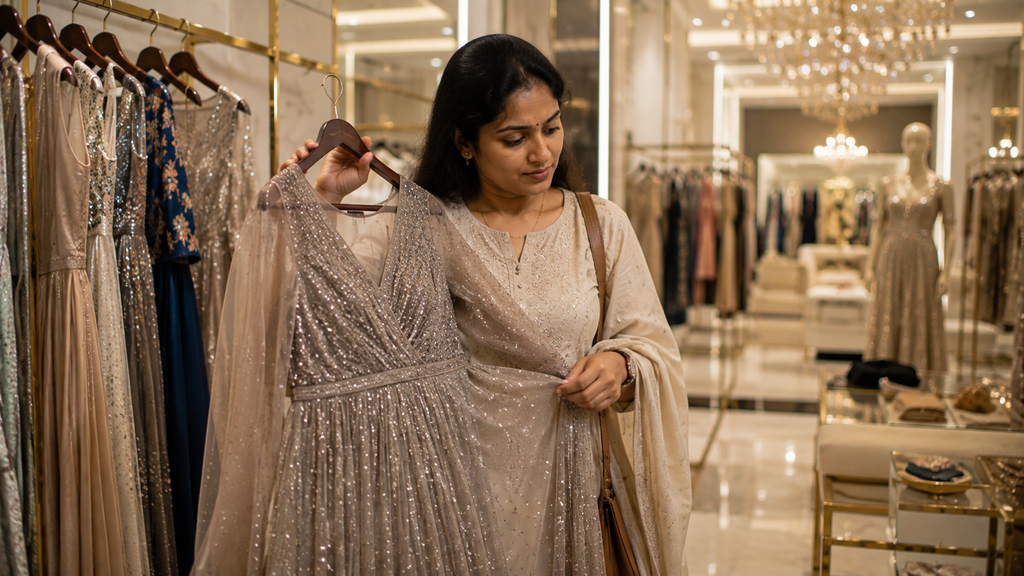
You might have an expensive dress you never wear, a kitchen appliance you rarely use, or a gadget that has been sitting untouched for years.
The money has already been spent.
Keeping an unused item doesn’t bring that money back.
Instead, ask:
“If I didn’t own this today, would I spend money to buy it?”
If the answer is no, that’s useful information.
6. Create a “Maybe” Box
If you’re struggling to decide whether to get rid of something, don’t force yourself to make an immediate decision.
Put the item in a box and label it “Maybe.”
Write the date on the box.
If you don’t need or look for the items over the next few months, you may have your answer.
This method is especially helpful for sentimental items and things you’re unsure about.
7. Declutter Your Wardrobe
Clothes are one of the easiest places to begin.
Take everything out and categorize your clothes:
- Frequently worn
- Occasionally worn
- Special occasions
- Doesn’t fit
- Damaged
- Never worn
- Sentimental
Ask yourself:
“If this disappeared tomorrow, would I actually miss it?”
Keep clothes that fit your current lifestyle and that you genuinely enjoy wearing.
You don’t need a capsule wardrobe to be minimalist.
You simply need a wardrobe where most of the clothes are actually useful to you.
8. Simplify Your Kitchen
The kitchen can quickly become a storage area for things we rarely use.
Look for duplicates and unused items.
You might find:
- Multiple water bottles
- Too many mugs
- Duplicate cooking tools
- Unused appliances
- Excess storage containers
- Expired food
- Serving dishes used only once
- Gadgets purchased because they were trending
Keep the items you regularly use.
A minimalist kitchen should be functional, not empty.

9. Stop Buying Just Because Something Is on Sale
A discount doesn’t automatically mean you’re saving money.
If you spend ₹1,000 on something you didn’t need, you didn’t save ₹500 because it was 50% off.
You spent ₹1,000.
Before buying something, ask:
“Would I buy this at full price?”
If the answer is no, think twice.
10. Follow the 24-Hour Rule
For non-essential purchases, give yourself at least 24 hours before buying.
For expensive purchases, consider waiting even longer.
This simple pause gives you time to decide whether you genuinely need something or simply want it because of advertising, social media, a sale, or impulse.
Very often, the desire disappears.
11. Stop Bringing Unnecessary Things Into Your Home
Decluttering without changing your shopping habits can become an endless cycle.
You remove 20 things today and bring 20 new things home next week.
Minimalism isn’t only about getting things out.
It’s also about being more intentional about what comes in.
Before purchasing something, ask:
- Do I need it?
- Do I already own something similar?
- Where will I keep it?
- How often will I use it?
- Will it make my life easier?
- Is it worth the money and maintenance?
If you’re unsure, don’t buy it immediately.
12. Don’t Buy Organizing Products for Everything
Minimalism and organization are not the same thing.
If you have 100 things and buy 20 storage boxes to organize them, you still have 100 things.
Before buying an organizer, ask:
“Can I solve this problem by owning less?”
Sometimes the best storage solution is simply decluttering.
13. Deal With Sentimental Items Slowly
Sentimental items are often the hardest to declutter.
Don’t force yourself to get rid of meaningful belongings just because you’re trying to become minimalist.
Instead, choose a reasonable amount of space for sentimental items.
You can:
- Keep your favorite photographs
- Digitize old documents and photos where appropriate
- Keep a small memory box
- Photograph items before letting them go
- Keep the things that genuinely hold meaning
Minimalism should make your life better—not make you feel guilty about your memories.
14. Learn to Say “No”
Minimalism isn’t only about physical possessions.
You can also simplify your schedule.
You don’t have to say yes to every:
- Invitation
- Event
- Commitment
- Purchase
- Social obligation
- Request
Sometimes saying “No” is a form of minimalism.
Protecting your time is just as important as protecting your physical space.
15. Declutter Your Digital Life
Digital clutter can also create mental clutter.
Take some time to clean:
- Your phone
- Unused apps
- Email inbox
- Computer files
- Duplicate photographs
- Social media accounts
- Subscriptions
- Notifications
You don’t need to respond to every notification immediately.
A quieter digital environment can make it easier to focus.
16. Be Careful With Trend-Based Minimalism
Minimalism itself can become another form of consumption.
You don’t need:
- A special minimalist wardrobe
- Expensive storage boxes
- A particular type of furniture
- Matching containers
- Expensive “minimalist” products
You don’t have to buy your way into minimalism.
Use what you already own.
17. Don’t Compare Your Home With Social Media
A minimalist home on Instagram or Pinterest may look beautiful, but your home doesn’t need to look like someone else’s.
Real homes have:
- Children’s belongings
- Books
- Cooking equipment
- Clothes
- Family memories
- Toys
- Work items
Minimalism isn’t about creating a picture-perfect house.
It’s about creating a home that works for your real life.
18. Use the One-In, One-Out Rule
Once you’ve decluttered, you need a system to prevent clutter from returning.
One simple method is:
For certain categories, when one new item comes in, one old item goes out.
For example:
Buy one new pair of jeans → consider letting go of one pair you no longer wear.
Buy a new handbag → reassess an old one.
This doesn’t have to apply to everything, but it can be useful for categories where you tend to accumulate things.
19. Create a No-Buy or Low-Buy Period
Try a 30-day no-buy challenge.
During this period, avoid buying non-essential items.
You can still purchase genuine necessities.
Instead of shopping when you’re bored, stressed, or influenced by social media, find alternatives.
You may discover that shopping was filling time rather than fulfilling a genuine need.
Check Out Vasanthi Shankar Digital Download Store for No Spend Challenge Guide
20. Remember That Minimalism Is a Journey
You don’t become a minimalist after one big decluttering session.
Your needs change.
Your family changes.
Your work changes.
Your lifestyle changes.
Something that was useful five years ago may no longer be useful today.
So minimalism is not a one-time project.
It’s an ongoing habit of asking:
“Does this still deserve a place in my life?”
Check Out Vasanthi Shankar Digital Download Store for Whole House Decluttering Checklist
Common Minimalism Mistakes to Avoid
Mistake 1: Decluttering Too Quickly
You don’t have to get rid of everything immediately.
Mistake 2: Copying Someone Else
Your minimalist lifestyle should match your needs.
Mistake 3: Buying More to Become Minimalist
Minimalism shouldn’t become another shopping trend.
Mistake 4: Focusing Only on Appearance
A home doesn’t have to look empty to be minimalist.
Mistake 5: Decluttering Without Changing Shopping Habits
If you keep buying unnecessarily, clutter will return.
Mistake 6: Feeling Guilty About Keeping Things
If something is useful or meaningful, you don’t need to remove it simply because you’re pursuing minimalism.
Minimalism Is Not About Having Less—It’s About Having Enough
The goal of minimalism isn’t to see how few possessions you can survive with.
The goal is to remove the excess so you can appreciate what you already have.
When you own fewer unnecessary things, you may spend less time cleaning and organizing, make fewer impulse purchases, and have more space for the things that genuinely matter.
You don’t need to become an extreme minimalist.
You don’t need an empty home.
You don’t need to throw away everything tomorrow.
Start with one drawer, one cupboard, one shopping habit, or one small decision.
Over time, those small decisions can create a home that feels lighter, simpler, and easier to live in.
Minimalism isn’t about having nothing. It’s about making sure what you have truly adds value to your life.
Vasanthi Shankar Digital download Store
Shopify Link – https://vasanthi-shankar-digital-download-store.myshopify.com/
Join the membership for exclusive access to my real monthly budget & spending breakdown –https://www.youtube.com/channel/UCfAgW9MJUWn9wnnd9NSnlzQ/join
Vasanthi Shankar Amazon Store Front Link – https://www.amazon.in/shop/mrs.shankarsrecipes
Vasanthi Shankar WhatsApp Channel – https://www.whatsapp.com/channel/0029VaBNmt22v1IqxpnjLr2W