When people hear the word minimalism, they often imagine empty white rooms, one spoon and one plate, sleeping on the floor, owning a fixed number of things, or travelling the world with just one bag.
Yes, these people exist—and they are called extreme minimalists.
But let me be honest: that version of minimalism doesn’t suit everyone.
Minimalism is not about deprivation.
Minimalism is liberating.
It is not one-size-fits-all. In fact, there are many types of minimalism, and you can choose what works best for your lifestyle, family, responsibilities, and goals.
Let’s explore them one by one.
1. Aesthetic Minimalism (Visual Minimalism)
This is the most popular—and Instagram-friendly—type of minimalism.
Focus:
- Clean spaces
- Neutral colours
- Fewer visible items
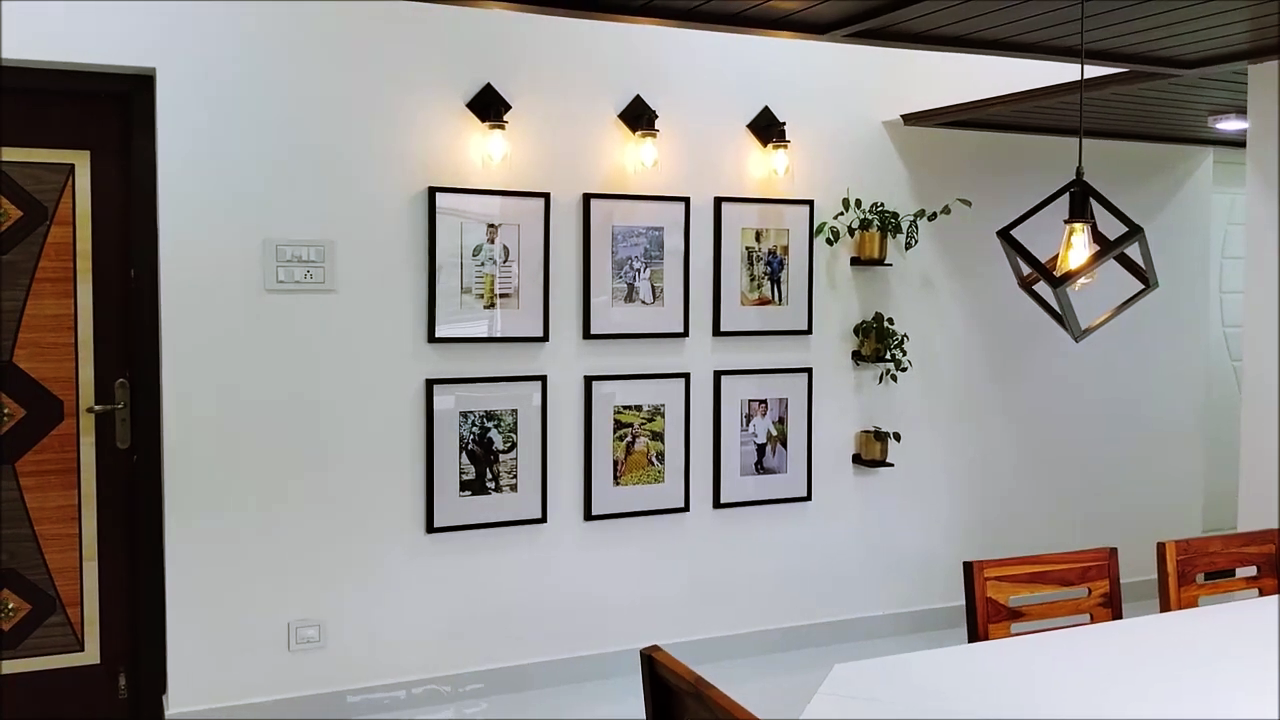
I personally love this part of minimalism. When we built our home, I consciously chose paint colours, furniture, and decor to reflect aesthetic minimalism.
A clutter-free, visually calm home clears my mind, improves focus, and gives me a sense of peace the moment I enter. It truly creates a calming effect.
👉 Tip: It’s beautiful, but don’t chase looks at the cost of comfort.
2. Practical Minimalism (Functional Minimalism)
This type focuses on utility over appearance.
Focus:
- Owning only what you actually use
- Functionality
- Less maintenance
I practise this kind of minimalism especially in my kitchen. Fewer tools and vessels mean less confusion, faster cooking, and easier cleaning.
The surprising part?
The fewer things I owned, the more efficient I became while cooking.
👉 This is one of the easiest forms of minimalism to start with.
3. Financial Minimalism
This type is powerful and life-changing.
Focus:
- Spending intentionally
- Avoiding lifestyle inflation
- Saving and investing more
Of course, I love this part deeply. As an ex-banker, I always knew the importance of saving and investing. But even with financial knowledge, I used to spend on unnecessary things before becoming a minimalist.
Minimalism helped me understand:
- What I truly need
- What my priorities are
- What is enough for me
👉 Less spending = more freedom.

4. Digital Minimalism
Often, our phones have more clutter than our homes.
Focus:
- Reducing screen time
- Clearing digital clutter
- Intentional use of technology
I stopped consuming excessive short-form content like Instagram reels, Facebook reels, and YouTube Shorts—and honestly, it was life-changing.
Another important step I took was turning off app notifications—on my phone and my husband’s too. This single change reduced distractions drastically and helped me concentrate better on my work.
5. Emotional Minimalism
This type is often ignored—but it’s deeply important.
Focus:
- Letting go of emotional baggage
- Reducing people-pleasing
- Setting healthy boundaries
Here’s something I noticed:
When you start decluttering physical things, clarity slowly spreads into other areas of life—finance, relationships, and even self-worth.
Minimalism helps you see people and situations clearly.
If you constantly feel stressed or emotionally drained, minimalism might be exactly what you need.
👉 Minimalism is not just about things—it’s about peace.
6. Time Minimalism
You don’t need more time.
You need fewer distractions.
Focus:
- Prioritising what truly matters
- Reducing unnecessary commitments
- Creating space for rest
If you feel busy all the time but still unproductive, try decluttering your space and your commitments. A simpler environment naturally leads to a calmer, more focused life.
7. Sustainable / Eco Minimalism
This type combines minimalism with environmental awareness.
Focus:
- Reducing waste
- Reusing what you already own
- Conscious consumption
It’s about buying less, choosing quality over quantity, and avoiding fast fashion and impulse purchases.
This form of minimalism benefits not just you—but future generations as well.
You Don’t Have to Choose Just One
Most people follow a mix of 2–3 types of minimalism.
I do too.
Minimalism is not about strict rules or perfection.
It’s about removing what doesn’t add value and keeping what truly matters.
Final Thought
Minimalism is a journey, not a destination. Start small.
Stay consistent.
Shape minimalism in a way that supports your life—not controls it.
Vasanthi Shankar Digital download Store
Link – https://vasanthishankar.myinstamojo.com/
Cookbooks Written by Me with Step-by-Step Photos – https://www.amazon.in/shop/mrs.shankarsrecipes/list/32P4J8FX0THO?ref_=aipsflist
Vasanthi Shankar Amazon Store Front Link – https://www.amazon.in/shop/mrs.shankarsrecipes
Vasanthi Shankar WhatsApp Channel – https://www.whatsapp.com/channel/0029VaBNmt22v1IqxpnjLr2W
Things I use for filming my videos- https://amzn.to/4ausvPC


Beautifully narrated!! I always knew about decluttering but started only after your videos. It gave the clarity i needed . I am Doing budget tracking with your ideas . In total I see way too many changes in my life after decluttering and budget tracking. I became more mindful. Thank you. !!
Short and clear content.