
Why knowing where your money goes can change your life
I am an ex-banker who loves maths, numbers, and budgeting.
Yes, budgeting sounds like a boring topic.
But knowing where your money goes can truly change your life.
By the 20th of every month, many of us start asking the same question:
“Where is my money?”
If this happens to you, it simply means one thing —
there is leakage in your spending.
Not knowing where you are spending your money is one of the biggest financial mistakes you can make.
Let me give you a simple example.
If I ask someone, “How much did you spend on groceries this month?”
They will confidently say, “₹5,000.”
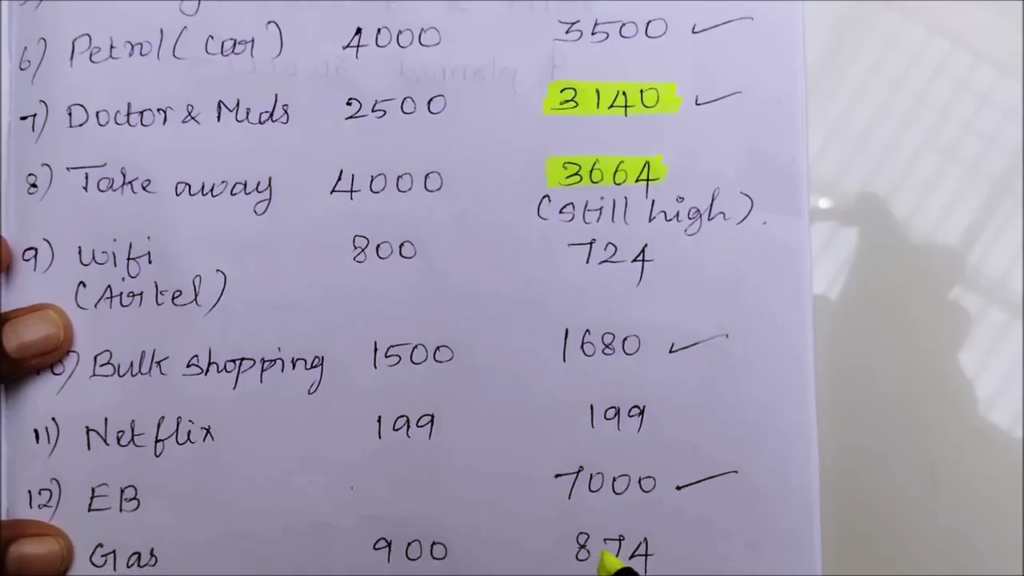
That ₹5,000 is usually the first big grocery bill — the bulk purchase at the start of the month.
But what about:
- ₹100 here
- ₹50 there
- ₹500 for quick top-ups
- Unplanned store visits
These small amounts don’t feel big, but together they make up a huge chunk of your monthly spending.
This is exactly how money disappears — not in one big expense, but in many small, unnoticed ones across every category.
Earning money is important.
But managing money is crucial to create wealth.
And that’s where budgeting and tracking come in.
What is Budgeting (in simple words)?
Budgeting is simply telling your money where to go instead of wondering where it went.
It does NOT mean restricting yourself or living a boring life.
It means:
- Knowing your income
- Planning your expenses
- Managing your debt
- Saving and investing
- Deciding your priorities
Think of budgeting as a roadmap for your money.
What is Expense Tracking?
Tracking is the reality check.
You may plan a budget, but tracking shows:
- How much you actually spent
- Where you overspent
- Which expenses were unnecessary
- Whether you repaid your debt
- Whether you saved and invested as you planned
- How you handled unexpected expenses
Budgeting is the plan.
Tracking is the truth.
Both work best together.
Why Budgeting and Tracking Are So Important
1. You Become Aware of Your Spending Habits
Housing, food, and transportation are the three most important expenses.
And all three are becoming more expensive every year.
On top of that, we also spend unconsciously due to:
- Impulse shopping
- Convenience spending
- Lifestyle inflation
Small amounts like:
- Food delivery
- Online shopping
- Subscriptions
- Impulse buys
…don’t look dangerous individually, but together they quietly drain your income.
Tracking brings awareness, and awareness is the first step to change.
2. You Stop Living Pay check to Pay check
Many people earn well but still struggle every single month.
Why?
Because income has no direction.
A budget gives your money a job:
- This much for needs
- This much for wants
- This much for savings
When money has direction, stress reduces automatically.
3. Savings Become Automatic
Most people say:
“I’ll save whatever is left at the end of the month.”
But usually, nothing is left.
Budgeting flips this rule:
Save first. Spend later.
- Poverty mindset:
Income – Expenses = Savings - Wealth mindset:
Income – Savings = Expenses
Even small, consistent savings grow over time.
Savings challenge worksheets give great leverage in building the habit of saving, and then investing that saved amount. Link – Savings Challenge Worksheet
👉 Save first — only then can you invest.
4. You Gain Control and Confidence
Money stress affects:
- Mental peace
- Relationships (many marriages fail due to money issues)
- Physical health
When you know:
- How much you have
- How much you can spend
- How much you are saving
You feel calm, confident, and in control.
That peace is priceless.
5. Helps You Align Money with Your Values
Minimalism taught me one powerful lesson:
Spend intentionally, not emotionally.
Budgeting helps you spend on what truly matters:
- Family
- Experiences
- Security
- Freedom
And reduce spending on things that add no real value to your life.
Budgeting Is Not About Perfection
You will overspend sometimes.
Budgets are not fixed — they change month to month.
You may miss tracking some expenses.
That’s completely okay.
The goal is progress, not perfection.
(If you want to see how I budget and track my real family expenses with actual numbers, you can join my YouTube membership.)
Simple Ways to Start Budgeting & Tracking
- Notebook or diary
I created a Manual Monthly Budget Planner & Tracker to make this easier. - Excel sheet
I personally use an Excel sheet I created in 2022. Excel Budget Planner - Budgeting apps
Choose what feels simple, practical, and sustainable for you.
Final Thoughts
Budgeting and tracking are not about being strict.
They are about being intentional.
When you control your money:
- Money stops controlling you
- Stress reduces
- Life feels lighter
And most importantly,
it helps you create true wealth.



Super
I’m ur youtube subscriber from past 2 years. Really ur videos are very useful like that ur blog is also very useful. Content is very short and crisp not too exgrating. Hope we can except many useful contents.
Thank you so much for your support