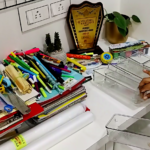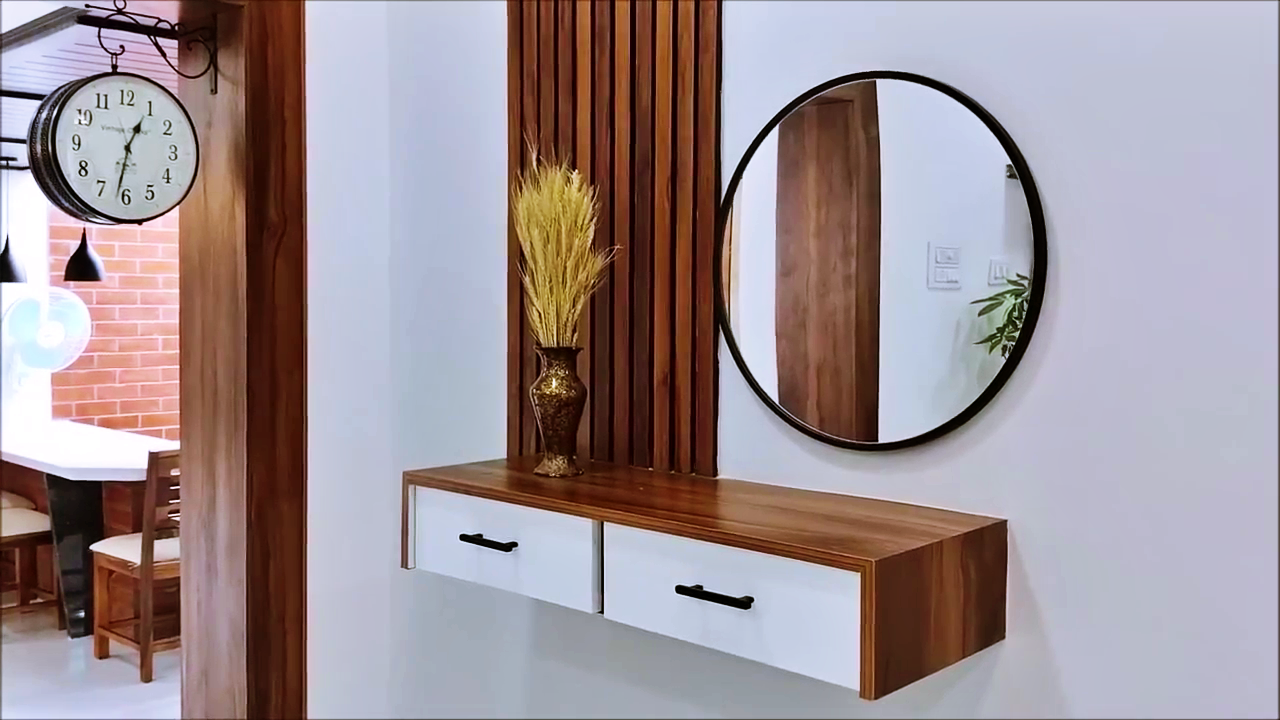
There was a time when I thought my home looked perfect and colourful.
Every corner was decorated. Everything had an organizer. It looked beautiful, lively, and Instagram-worthy. From the outside, it felt like the “dream home” I had always wanted.
But in reality, it was distracting, chaotic, and overwhelming.
Instead of feeling calm, my eyes and mind were constantly busy. I was always cleaning, rearranging, and trying to keep things in place. What I thought would bring happiness was quietly draining my energy.
That’s when I realized something important:
more wasn’t making my life better.
For me, minimalism is simply about simplifying life.
It’s about keeping what truly adds value and letting go of the rest.
In simple words:
Less clutter. More clarity.

What Minimalism Is Not
Before going further, let me clear a common misunderstanding.
Minimalism is not about:
- Living with nothing
- Being poor or boring
- Following strict rules
- Living Inside Bare walls
Minimalism isn’t about deprivation. It’s about living intentionally.
And there’s no one “right” way to be a minimalist. And there are many types of Minimalism.
How My Journey Really Started
Back in 2020, I was deeply influenced by social media and became a full-on home décor addict. I decorated every corner of my house, bought loads of organizers, and kept rearranging things. I truly believed that once everything looked perfect, my home would stay organized all the time.
I even shared this phase on my YouTube channel, Vasanthi Shankar.
But within two or three months, reality hit.
The influencers I followed kept buying new organizers, claiming they were more efficient. Decorations kept changing with every season and festival. I tried to keep up… until I couldn’t.
I was constantly cleaning, organizing, and maintaining everything. Instead of feeling happy, I felt tired and overwhelmed.
The First Shift
Around that time, I read The Life-Changing Magic of Tidying Up by Marie Kondo. And suddenly, things made sense.
When we remove the things, we don’t use, life becomes easier.
So, I started decluttering.
Back then, I didn’t even think of it as minimalism. In fact, I used to say, “I can never be a minimalist.” I was an extreme maximalist—just one who had started letting go.
When Minimalism Finally Clicked
Later, I came across Joshua Becker’s YouTube channel. His ideas felt calm, practical, and realistic. I bought his book The More of Less and read it cover to cover.
That became the second turning point in my life.
(The first was starting to declutter.)
From there, I slowly began simplifying—not just my home, but every part of my life.
What Minimalism Means to Me Today
If you search online, you’ll find many definitions of minimalism. But for me, it comes down to this:
Minimalism is intentional living.
It’s about simplifying life in all areas so there’s more space—for peace, time, energy, and the things that truly matter.
This journey has brought many benefits into my life, and I’ll be sharing them soon in another blog post.
If you’re feeling overwhelmed by “too much,” just know this—
You don’t have to change everything at once.
You just have to start letting go… one thing at a time 🌱